 By glowra
 Australia has some of the highest UV exposure in the world, so a good facial sunscreen isn’t optional — it’s the single most effective anti-ageing and skin-health product you can use. Here’s what to actually look for.
What to Look For on the Label
- SPF50 or SPF50+ — the highest rating available in Australia, blocking around 98% of UVB rays.
- Broad spectrum — protects against both UVA (ageing) and UVB (burning) rays.
- AS/NZS 2604 compliance — the Australian sunscreen standard; look for it on the packaging.
- Water resistant — useful even for everyday wear, since sweat reduces protection too.
Mineral vs Chemical Sunscreen
Mineral (physical) sunscreen
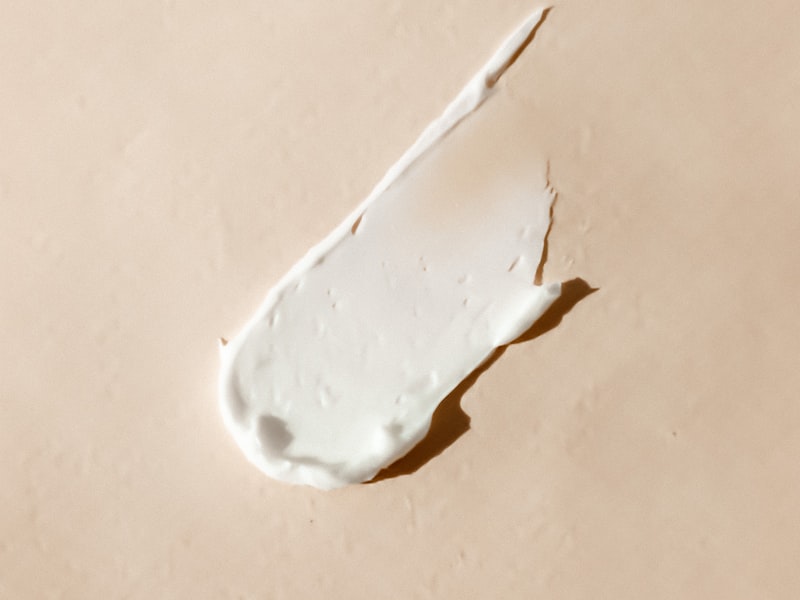
Contains zinc oxide and/or titanium dioxide, sitting on top of the skin to reflect UV rays. Generally better tolerated by sensitive or acne-prone skin, though older formulas can leave a white cast — newer “invisible zinc” formulas have mostly solved this.
Chemical sunscreen
Absorbs UV rays and converts them to heat. Usually lighter-feeling and easier to wear under makeup, but can irritate very reactive skin and some formulas sting the eyes.
Choosing by Skin Type
- Oily or acne-prone skin — look for “non-comedogenic” and gel or fluid textures rather than heavy creams.
- Dry skin — a sunscreen with added hydrating ingredients (hyaluronic acid, glycerin) or one designed to be worn over moisturiser.
- Sensitive skin — mineral formulas are usually the safer starting point.
- Under makeup — fluid or serum-textured sunscreens sit better under foundation than thick creams.
How to Actually Use It
Most people apply far too little. As a guide, a face and neck needs roughly a teaspoon to reach the SPF rating on the label. Reapply every two hours when outdoors, and daily regardless of weather — UV damage happens on cloudy days too.
Frequently Asked Questions
Do I need sunscreen every day, even indoors?
If you’re near windows or spend any time outdoors, yes — UVA rays penetrate glass and cloud cover, contributing to premature ageing over time.
Is mineral or chemical sunscreen better?
Neither is objectively better — mineral formulas tend to suit sensitive or acne-prone skin, while chemical formulas are often lighter and easier to wear under makeup.
How much sunscreen should I apply to my face?
Roughly a teaspoon for the face and neck combined — most people apply less than half of this, which significantly reduces the effective SPF.